We develop custom 3D configurators to manage complex catalogs, compatibility rules, real-time pricing, bills of materials and outputs to CRM, ERP and e-commerce.
Already have a configurator built in-house or with AI? We support you all the way to production release: codebase audit, architectural consulting and code review.
Every configurator developed by Parametra is unique and customized down to the last detail.
For this reason, our costs vary from project to project.
The cost of 3D configurators developed by parametra includes the optimization of 3D models, the creation of parametric logic, UI/UX development, and integration with your existing systems (e-commerce, CPQ, BOM, ERP, CRM). Depending on the complexity of the project, developing a 3D configurator suited to a small or medium business ranges from €12,000 for basic configurators up to €35,000 for advanced projects. A 3D configurator able to handle the complexity of a large enterprise ranges from these figures up to over €50,000.
Once development is complete, Parametra offers a managed hosting service and continuous support at €250/month, scalable according to your traffic needs and additional functionalities.
How much does it cost to build an AI agent for the sales cycle?
The development cost of an AI agent for the sales cycle depends on the number of tasks to automate, the data sources to connect and the required integration level with CRM, ERP, email inboxes, documents and internal tools.
A project can start from a focused workflow, such as lead qualification or quote draft preparation, and progressively grow into more articulated automations with human approvals, activity tracking and data synchronization.
During the discovery call we analyze the current process, identify repetitive steps and estimate development according to the operational value of the automation.
Managed hosting, support, quality monitoring and continuous improvement
Our managed hosting service relies on SOC 2 Type 2 and ISO 27001:2022 certified providers, with data hosted in the European region for GDPR compliance. The infrastructure ensures optimal performance through a global CDN, 99.5% availability, and automatic backups with recovery features.
·
Following development, the support and management fee includes:
security updates (CVE patches) and keeping all libraries used at the most up-to-date version;
continuous platform monitoring and intervention in case of hosting issues or runtime errors;
periodic analytics monitoring, agreed project by project;
a package of pay-as-you-go interventions for changes related to operations
For AI agents, we add monitoring of agentic behavior: over time, we watch the agent's responses on real requests to promptly identify any drop in reliability.
What technology do we use and why?
To protect the client's investment, each configurator is developed with cutting-edge open-source technology: React, Next.js, and Three.js.
Open-source
Using open-source technologies allows the client to maintain and use, virtually indefinitely, the code we deliver without depending on us or third parties. Choosing widely adopted libraries used by the world's largest companies ensures that the client will always be able to find a developer capable of maintaining and improving the code we deliver.
We do not want to bind the client contractually or with technical secrets: we want the value of our support services to be the reason to continue choosing us.
Architecture: React & Next.js
The logic and structure of the projects are built using React (maintained by Meta) and Next.js (maintained by Vercel). Among the many companies that have made this same choice, which guarantees very fast loading times and scalability, are OpenAI, Anthropic, Washington Post, Spotify, and Nike.
3D Rendering: Three.js / React-Three-Fiber
3D is created using Three.js / React Three Fiber: the most widely used web-3D library and the choice adopted both by companies like Google for developing their 3D applications and by the largest companies for their 3D configurators.
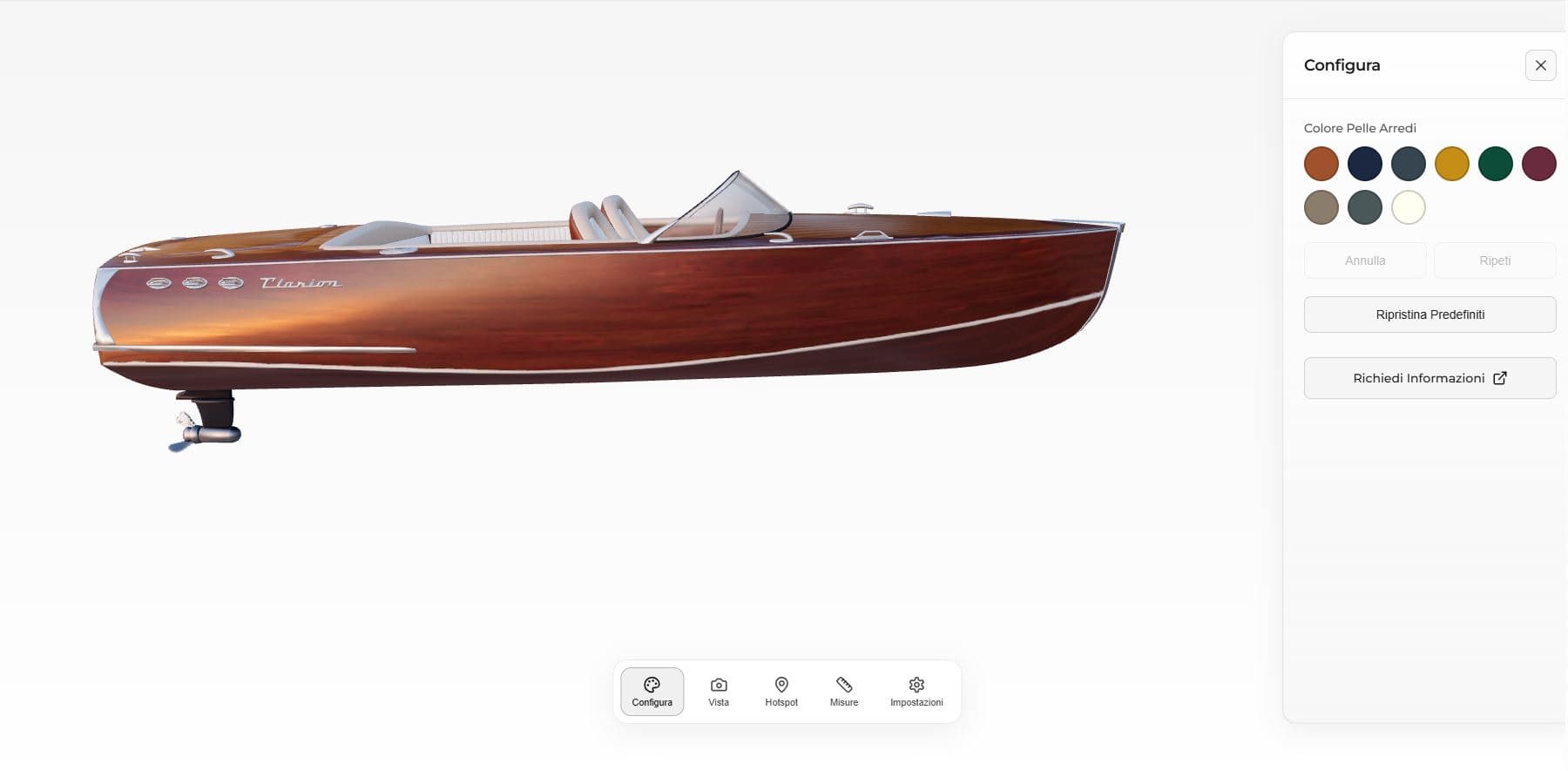 DemoWeb accessible
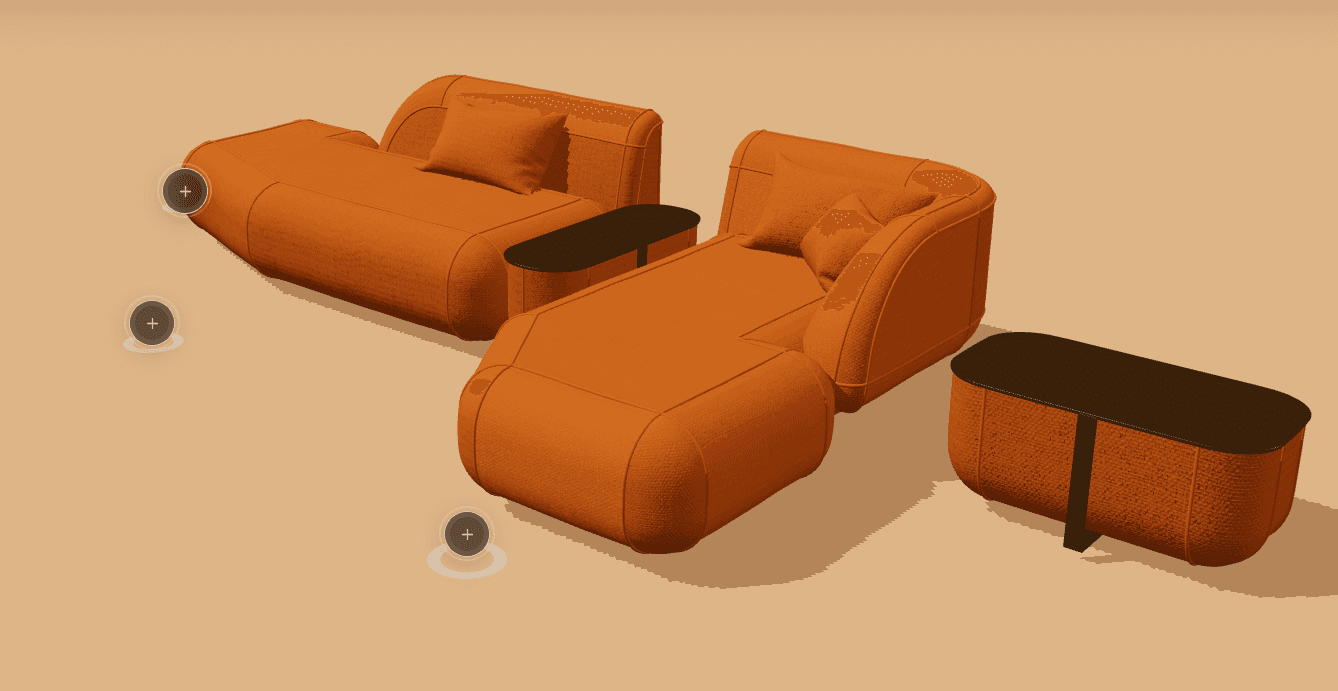 DemoWeb accessible
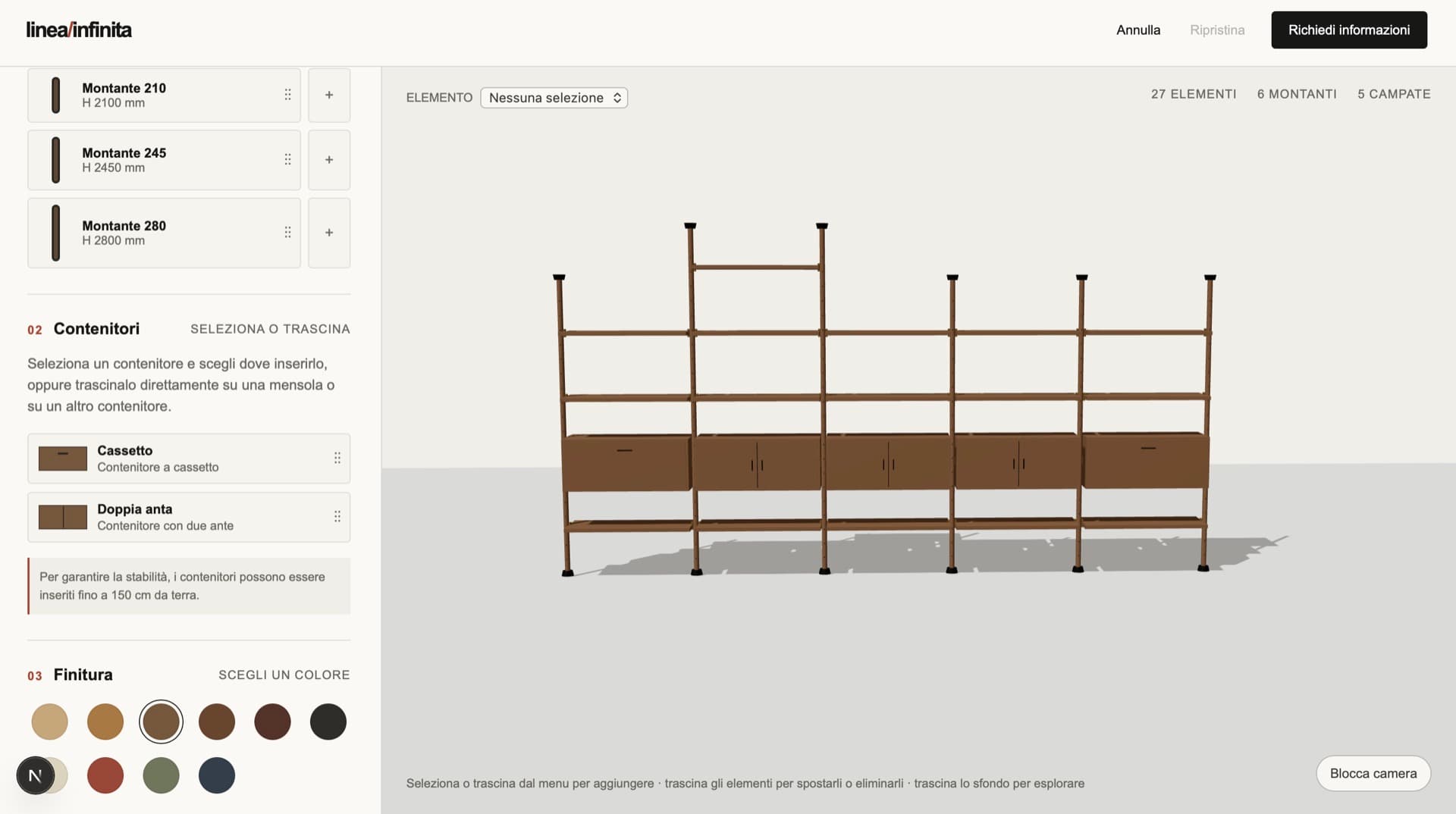 DemoWeb accessible
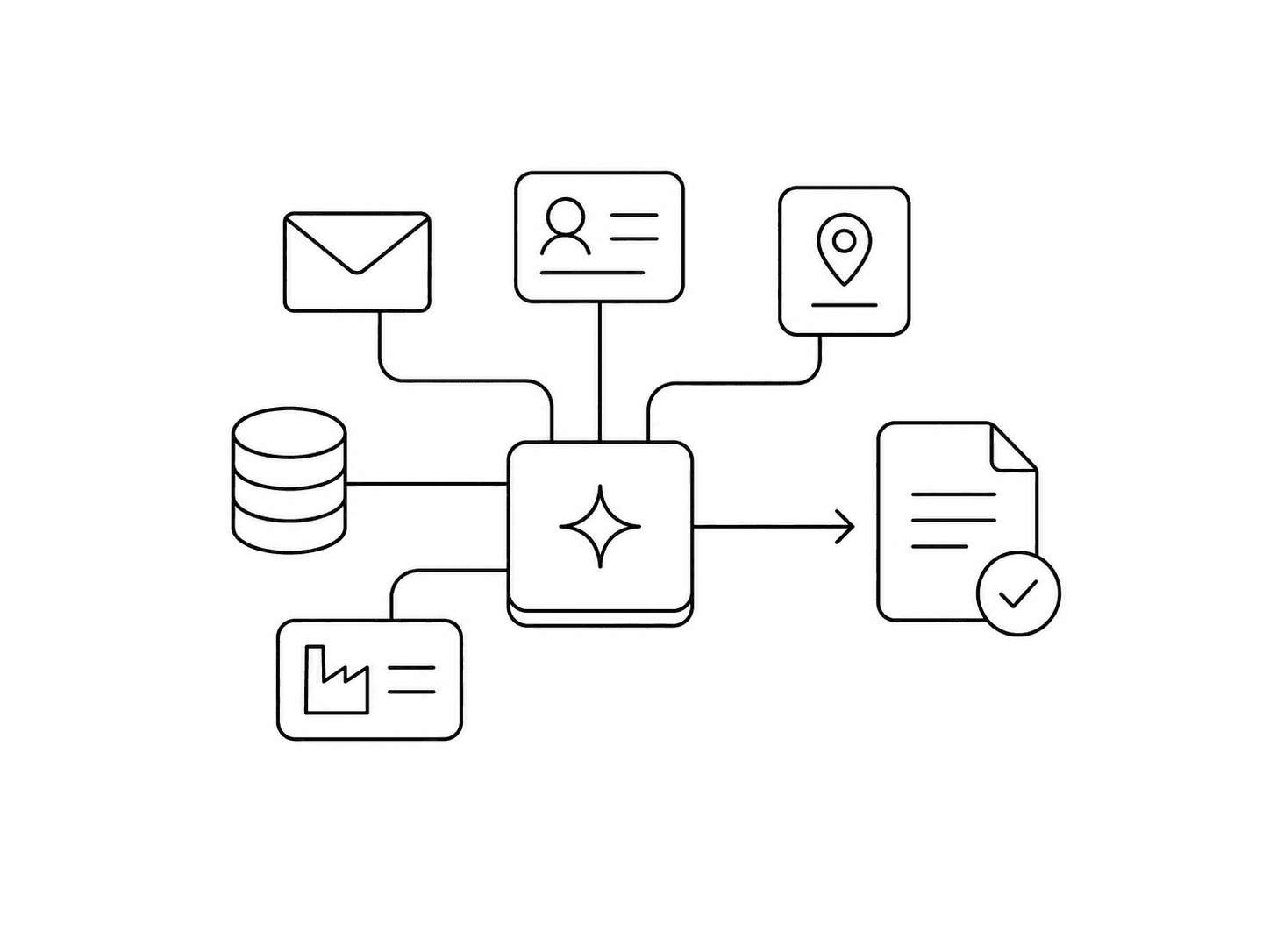 in-progress